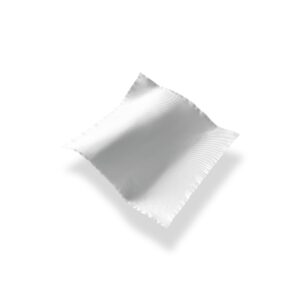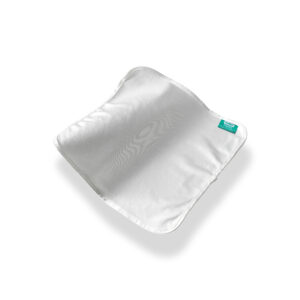
Cleanroom wipe is cleanroom wipe – isn't it?
Time to dispel cleanroom myths. Is it really that important which wipe you use for surface cleaning, disinfection or the "quick wipe in between"? The question seems obvious, because at first glance there are hardly any differences between the different cleanroom wipes. But don't be fooled: the cleaning result depends heavily on using the right textile. We explain what you need to look out for.
Cleaning vs. disinfection
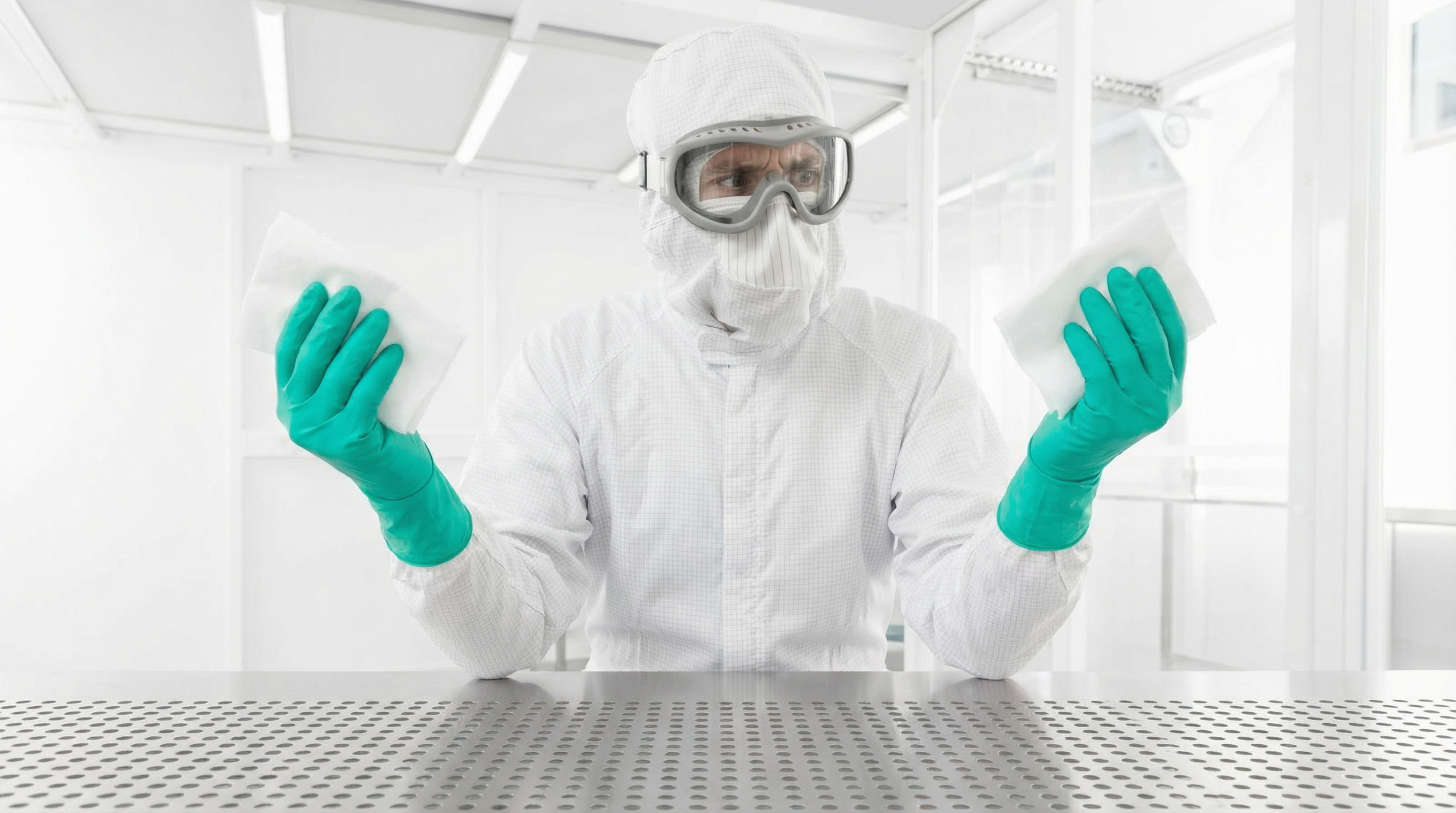
The most important question is: do you want to clean or disinfect your surface? Cleaning focuses on particle absorption and binding, while disinfection focuses on the release of liquid. There are actually wipes that perform both tasks well—but ideally, you should use a special wipe for each application.
Wipes for cleaning
Some cleanroom operators rely on wipes containing cellulose. However, due to their high particle release and lower cleaning power, these are only suitable for cleanrooms with a low classification. Cellulose fibers are rather “coarse,” break down relatively quickly, and thus release many particles. For an ideal cleaning performance, we therefore recommend microfiber material. Modern microfiber nonwoven wipes are up to three times more tear-resistant and cause approx. 40% fewer particle emissions than polyester-cellulose nonwoven wipes. What’s more: they also have a better cleaning performance.
Why is microfiber material so good for cleaning?
You probably use microfiber wipes at home too. Once wiped over the countertop, they pick up every grain of dust. But why does this work so well? Microfibers are so fine that 10,000 meters of material weigh a maximum of 1 gram. As a result, the surface structure of a microfiber wipes is correspondingly large. Tiny spaces form between the fine fibers, which securely trap particles. Conventional (polyester) fibers or cellulose “push” the contaminants away instead of absorbing them.
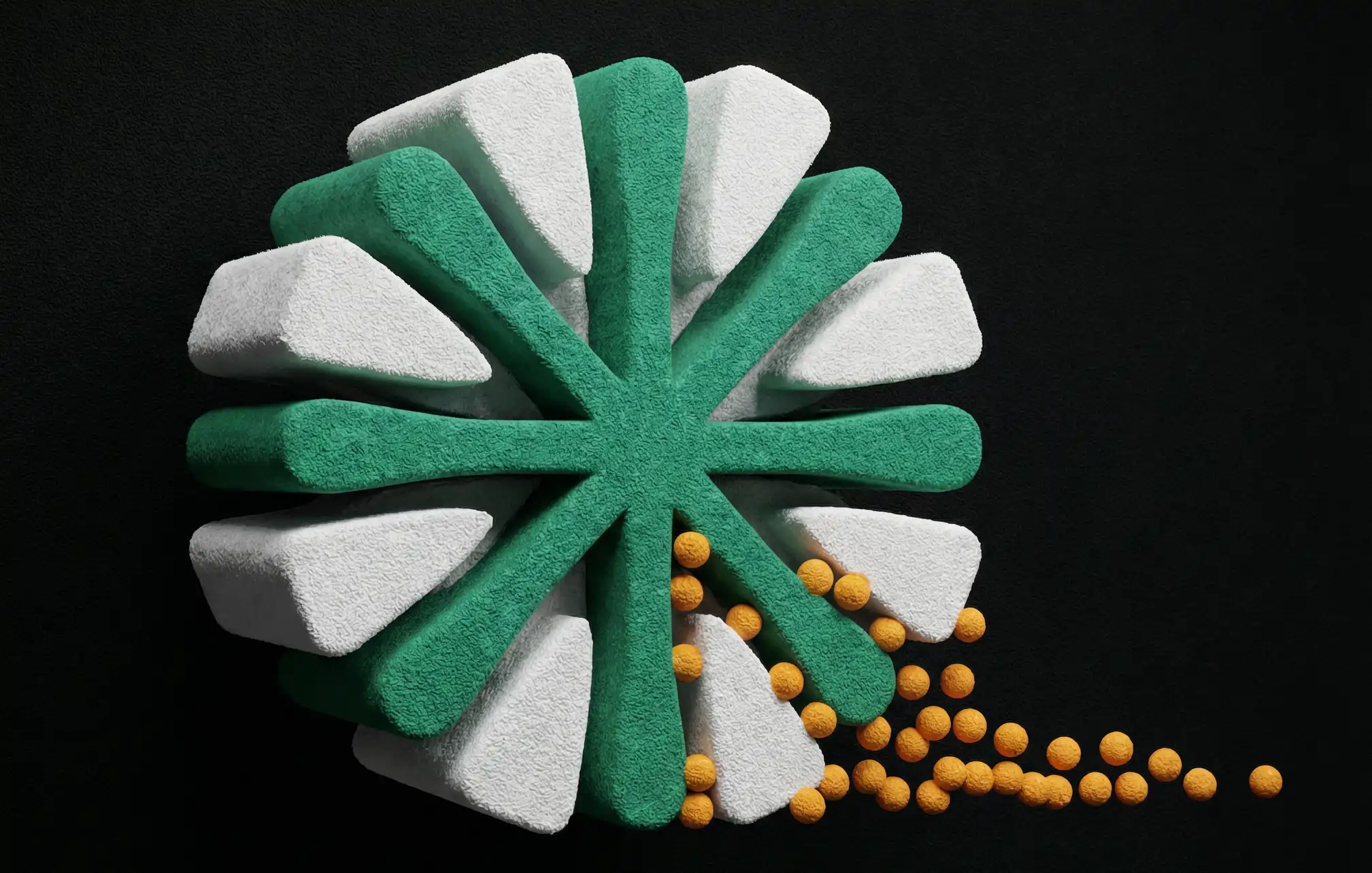
Microfibre in action – the particles (yellow) settle in the spaces between the fibres
Microfiber is also well suited for cleaning up spilled liquids. Nevertheless, cellulose is often used for this purpose. It is particularly absorbent because the liquid is drawn into the cellulose fibers, causing them to swell. You can “imitate” this effect with microfiber, because the capillary effect causes not only particles but also liquids to settle in the spaces between the fibers. The fibers do not swell, but the liquid sits between the fibers and is retained there. What differs physically is comparable in practice—also in terms of the result.
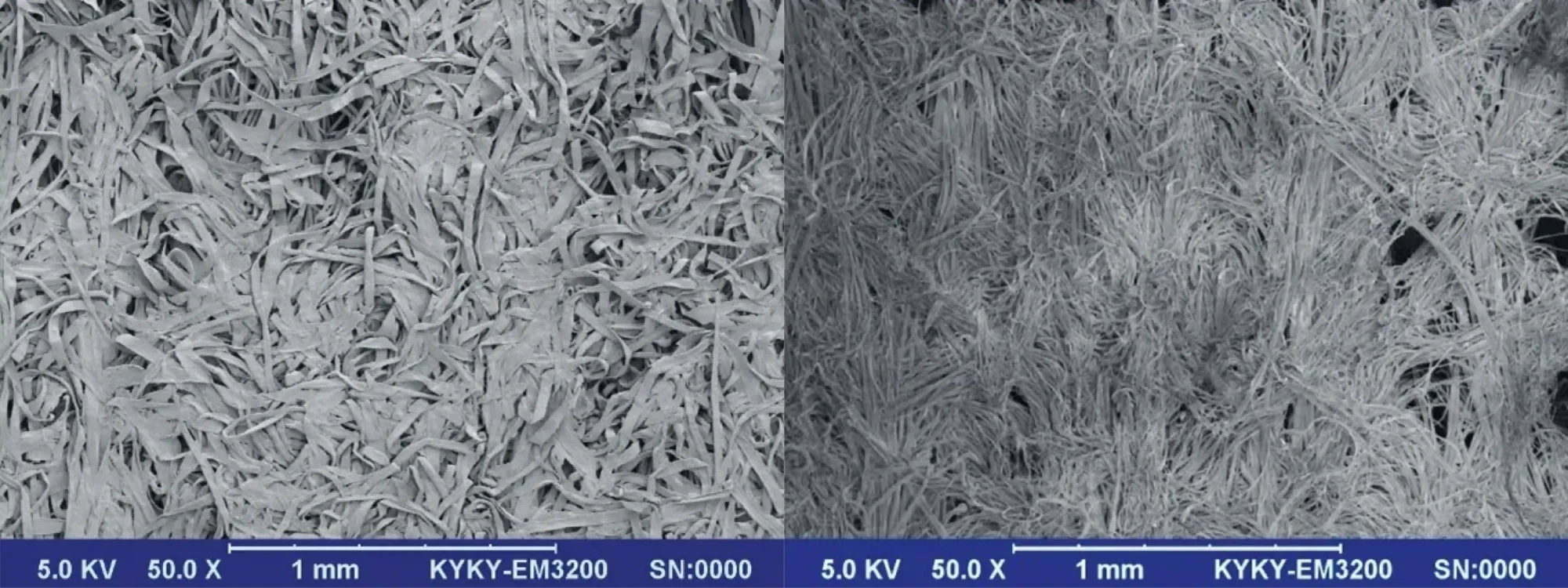
Comparison of polyester cellulose and nonwoven microfibre: The finer surface of the synthetic material is clearly visible
Wipes for disinfection
If you are working according to Annex 1, disinfection follows cleaning. The wipe used must absorb liquid as well as possible. Since cleaning has already been completed at this stage, the primary concern is no longer the safe absorption of particles, but rather the creation of an even film of liquid on the surface.
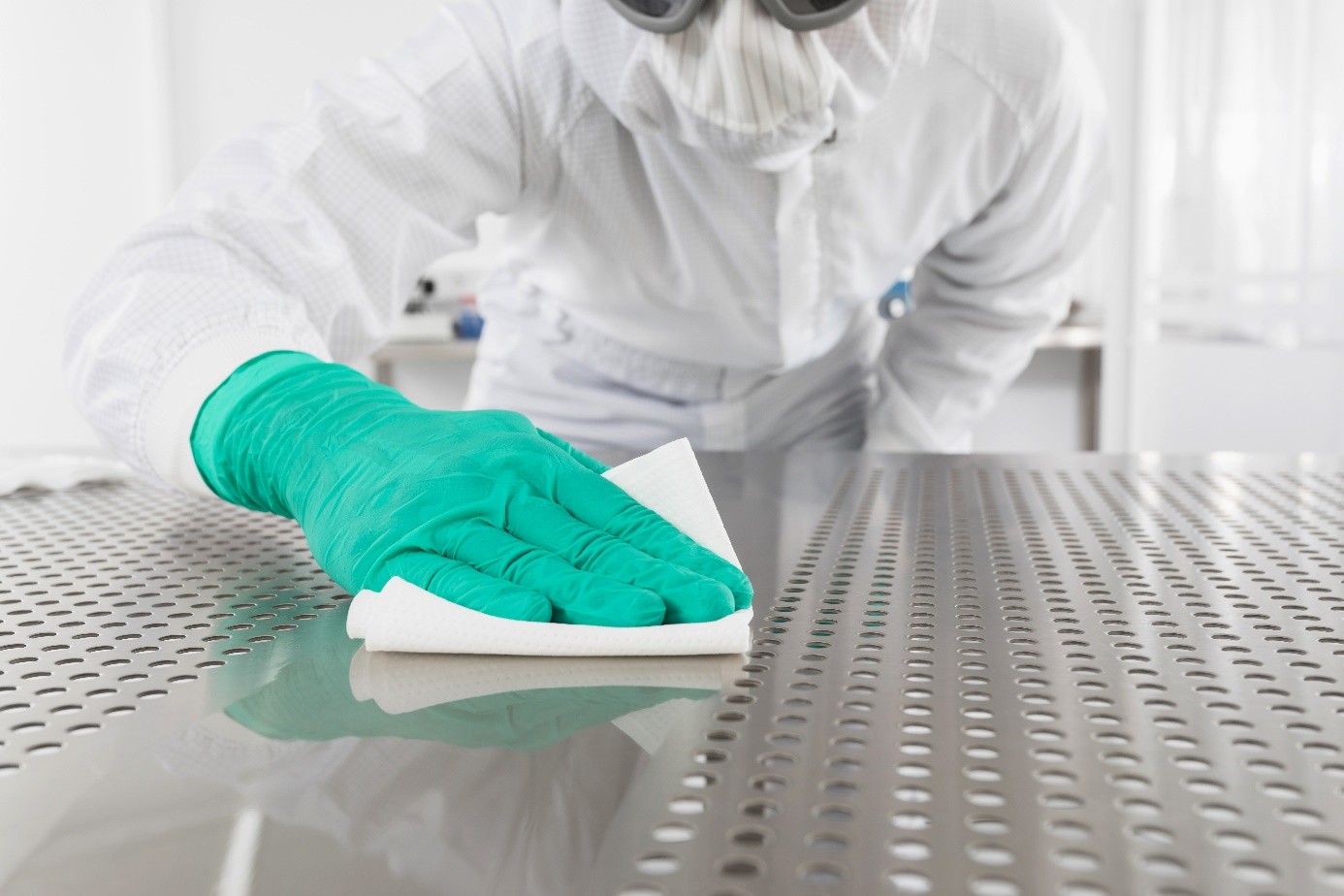
Disinfection requires an even application of liquid
Why polyester knit?
Knitted wipe made from 100% polyester absorb liquids well but also release them evenly. This creates an effective film of liquid on the surface. A small but significant advantage is that the material structure glides easily over most surfaces, which simplifies disinfection.
Knitted wipes have the great advantage that they are washed again after production. They are particularly clean and low in particles, as washing removes any production residues or loose particles. Ideally, your knitted wipes should also be produced in a cleanroom. As a result, knitted polyester wipes release up to 88% fewer particles than polyester-cellulose nonwoven wipes.
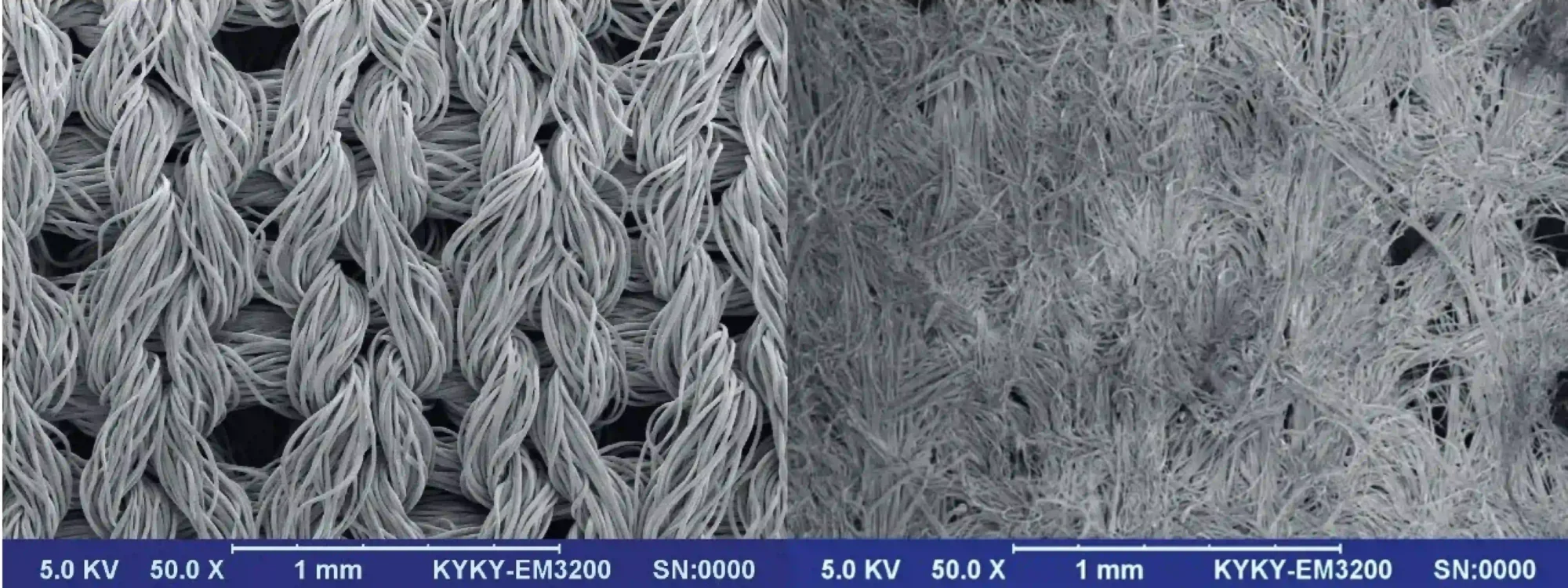
For the most demanding requirements in the most critical areas, polyester knits offer the option of further reducing particle emissions by applying a high-quality seal to the edges using heat or ultrasound. In such cases, seek advice on what you really need.